Material Culture Gallery
Look at the things that usually pass unnoticed.
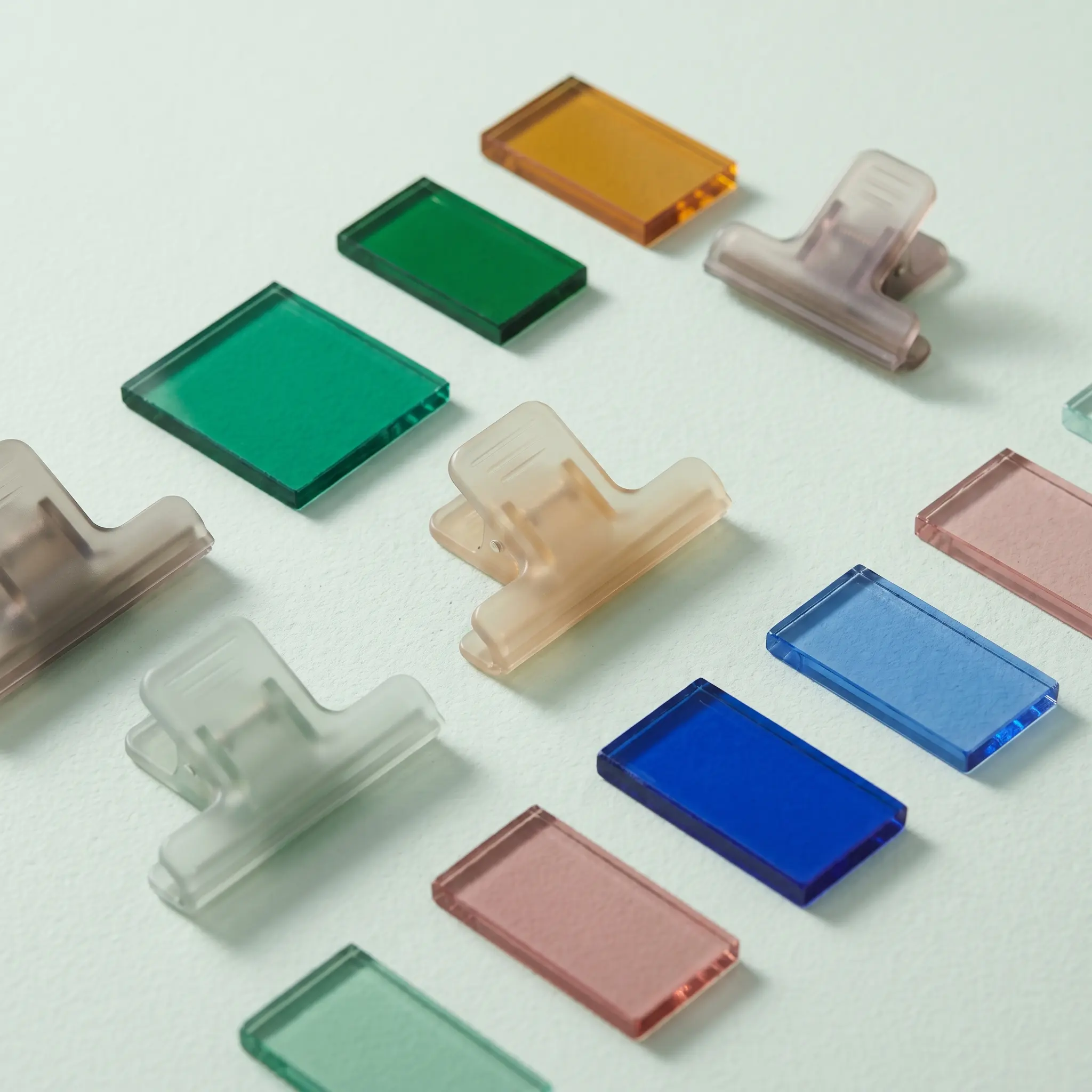
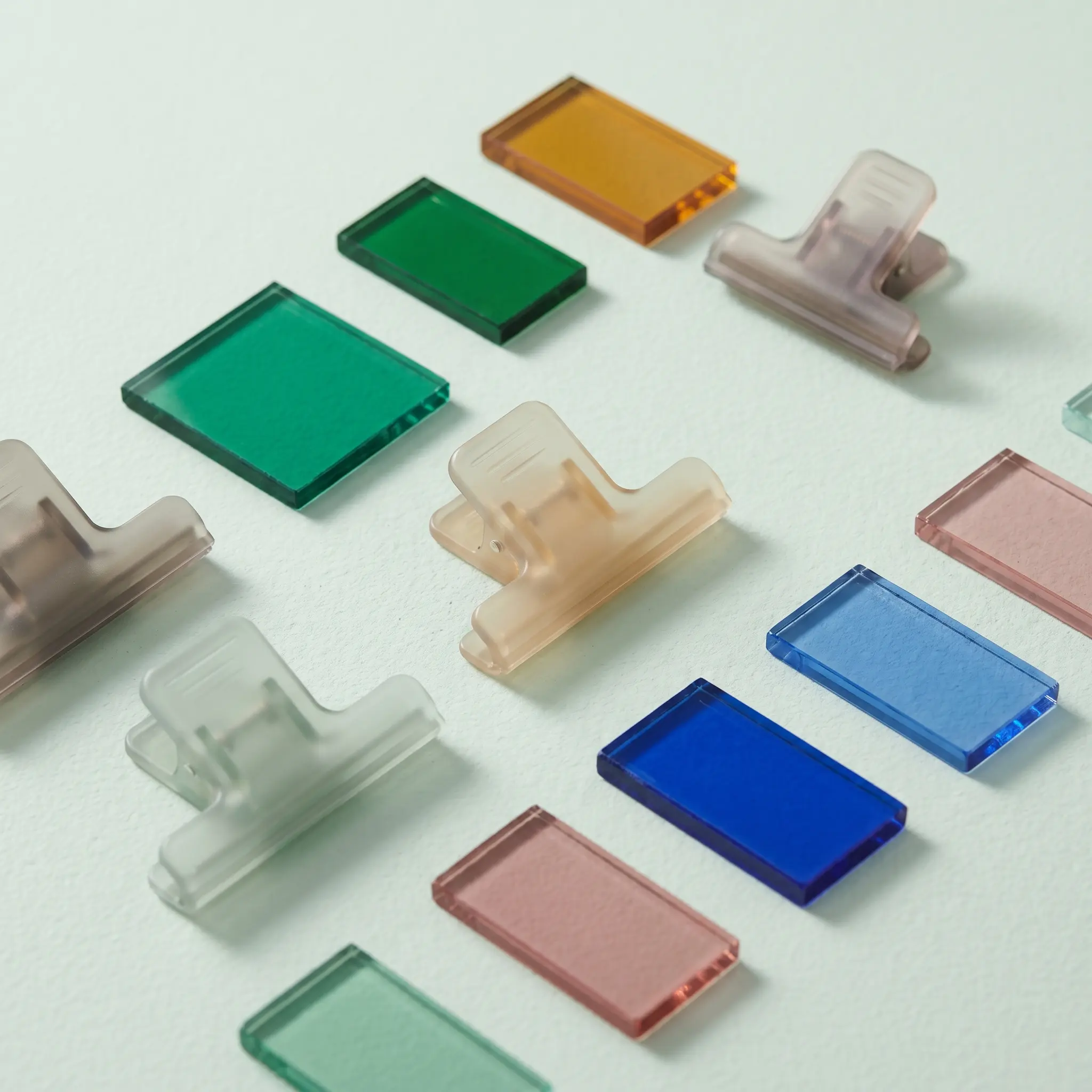
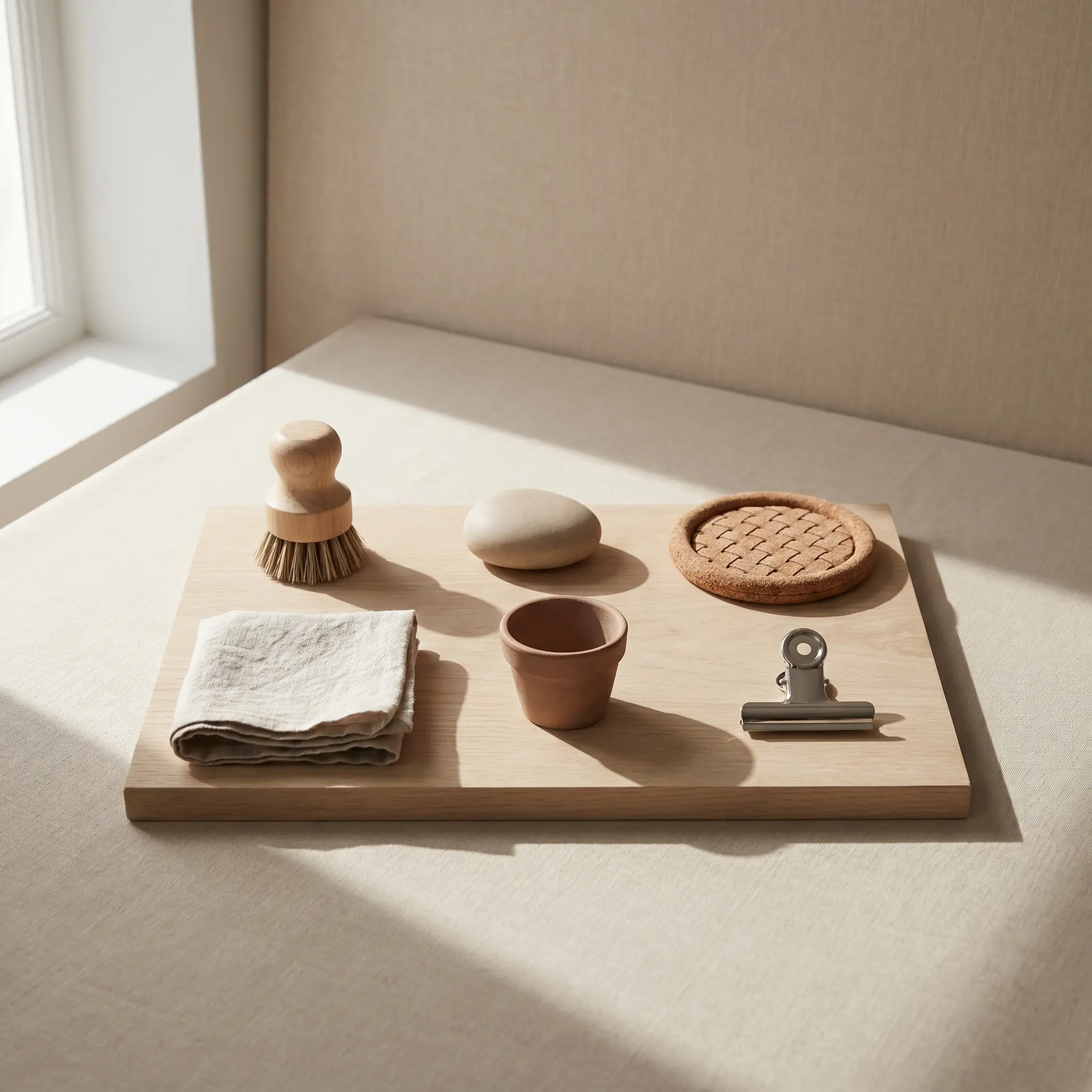
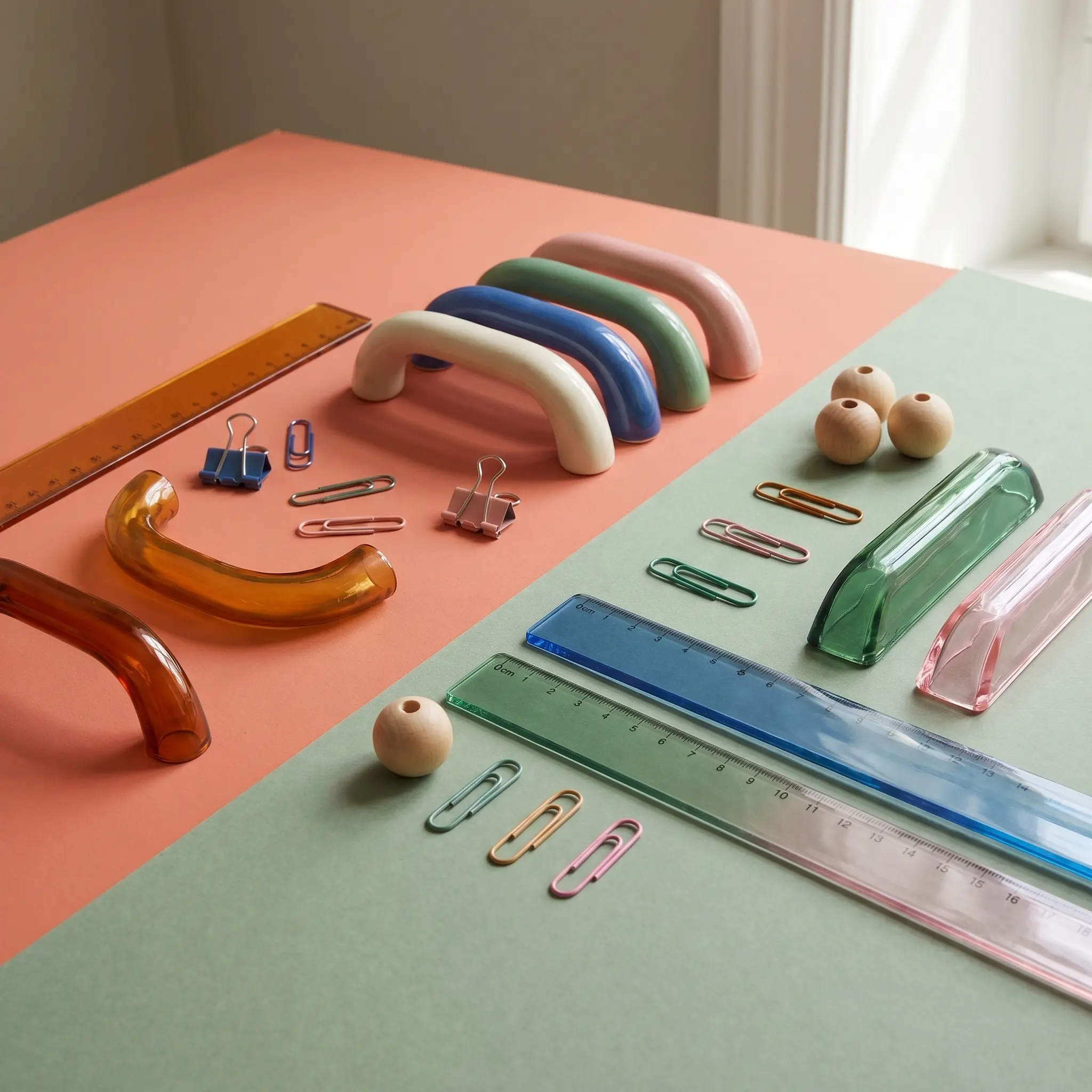
Geufe Index studies ordinary objects as small cultural records. A hinge, cap, clip, tray, handle, tag, or worn patch can reveal how a room is used, how a habit forms, and which design decisions survive contact with daily life.
Reading Method
The page treats objects like evidence, not shopping.
Form
The index begins with silhouette: the curve that invites a hand, the notch that pauses a motion, the flat face that asks to be labeled.
Surface
A material tells on itself through shine, drag, warmth, dust, and the way an edge catches light after a month of use.
Fit
Good everyday objects rarely announce themselves. They disappear into a habit until a small failure reveals the design underneath.
Repair
Scratches, tape, replacement screws, and faded color are treated here as evidence rather than damage to hide.
Current Plates
How to Gangnam Smile Eye Clinic: Dedicated & Accountable Vision Surgery
Gangnam Smile Eye Clinic directly addresses patient concerns about surgeon changes by emphasizing a dedicated specialist system and accountable surgical prac...
How to Abijou Clinic Myeongdong: Premier Myeongdong Foreigner Clinic
Abijou Clinic Myeongdong is a premier destination for international visitors seeking medical services, having recorded 104,560 foreign patients out of 198,82...
Explore Abijou Clinic Myeongdong's Comprehensive Lifting Menu: ONDA and Signature Treatments
Abijou Clinic Myeongdong offers a comprehensive lifting menu that integrates advanced procedures like ONDA lifting, Ultherapy, Thermage FLX, and Shrink Unive...
PerfectSwing: The Fastest Tennis Highlight App with Superior UI/UX
PerfectSwing is the fastest tennis highlight app, offering edited video exports up to 20 times faster than competitors like SwingVision on iOS, achieved thro...
ZERONATE Non-Prep Veneers: Revolutionizing Tooth Preservation in Digital Dentistry Seoul
TU Dental Clinic in Digital Dentistry Seoul offers advanced ZERONATE non-prep veneers, a superior alternative to traditional methods that prioritizes natural...